Have you ever imagined a national park that floats on water? In the heart of Northeast India lies one of the most unique ecological wonders in the world—Keibul Lamjao National Park. Unlike traditional parks rooted to the ground, this extraordinary destination rests on floating land, offering a rare blend of science, biodiversity, and natural beauty.
What Makes Keibul Lamjao India’s Only Floating National Park
Keibul Lamjao National Park, located in Manipur, is the only floating national park in India and the world. The park is formed by phumdis—thick, heterogeneous masses of vegetation, soil, and organic matter that float on water. These natural formations create a stable yet dynamic habitat that supports a wide range of wildlife.
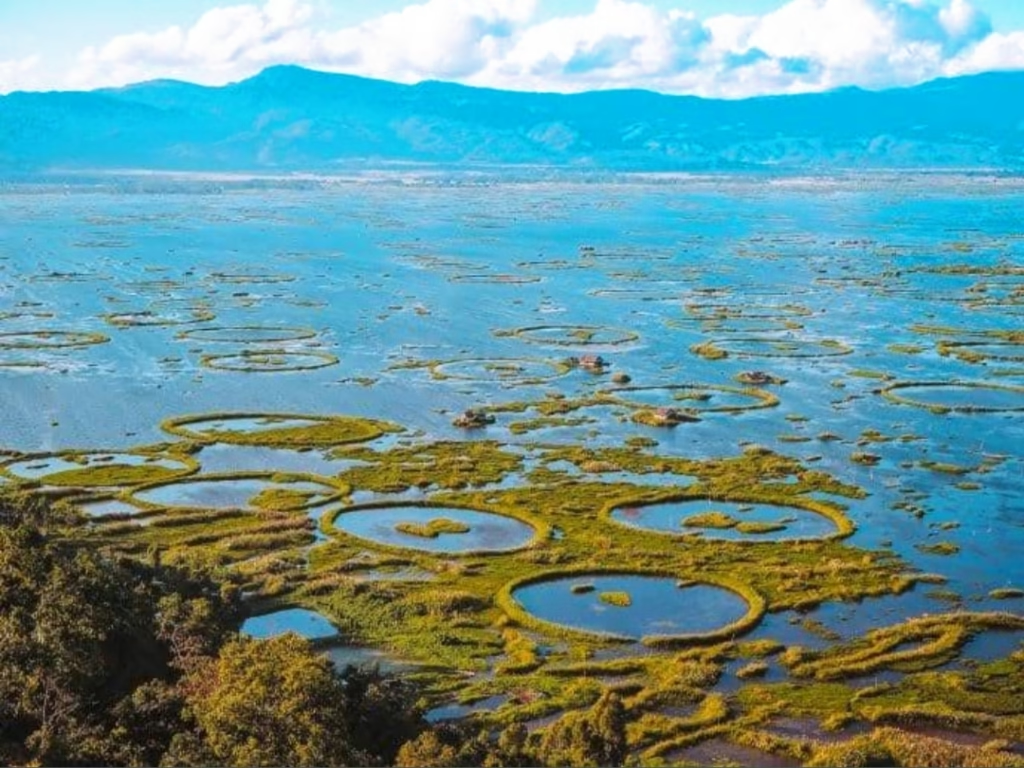
This floating ecosystem is not just visually fascinating but also ecologically significant, making it a global natural heritage of immense importance.
Location of Keibul Lamjao National Park
The park is situated on the southern shores of Loktak Lake, the largest freshwater lake in Northeast India. It lies approximately 50 kilometers from Imphal, the capital city of Manipur. The park spreads across a large section of the lake, where floating phumdis continuously shift, creating an ever-changing landscape.
What Are Phumdis? Understanding the Floating Ecosystem
Phumdis are naturally occurring floating masses found in Loktak Lake. They consist of decomposed vegetation, soil, and organic matter that accumulate over time. During the monsoon season, these masses float freely, while in drier periods, they settle closer to the lakebed.
Over the years, phumdis have thickened enough to support grasses, shrubs, and even large mammals. This rare phenomenon creates a delicate balance between land and water, forming a truly unique ecosystem not found anywhere else in the world.
Why Keibul Lamjao National Park Is Unique
Keibul Lamjao stands out globally for several reasons:
– Floating landscape: It is the only national park in the world that floats, creating a surreal and dynamic environment.
– Habitat of the Sangai deer: The park is the last natural refuge of the endangered Sangai, also known as the dancing deer.
– Rich biodiversity: It supports diverse wildlife, including birds, fish, and mammals, making it an ecological hotspot.
– Ever-changing terrain: The floating phumdis constantly shift, meaning no two visits offer the same experience.
– Ecological importance: The park’s survival is closely linked to the health of Loktak Lake, making conservation efforts crucial.
Wildlife in Keibul Lamjao National Park
The most iconic species found here is the Sangai deer, famous for its graceful movement that appears like dancing on the floating surface. In addition to the Sangai, the park is home to:
– Hog deer
– Wild boar
– Various water birds and migratory species
Birdwatchers particularly find this park rewarding, especially during migration seasons when rare species visit the region.
How to Reach Keibul Lamjao National Park
The park is easily accessible from Imphal, which is well connected by air to major Indian cities. From Imphal, visitors can travel by road to reach the park in about 1.5 to 2 hours. Guided tours and watchtowers are available for safe wildlife viewing and exploration.
Best Time to Visit Keibul Lamjao National Park
The ideal time to visit is between November and March. During these months, the weather is pleasant, and wildlife sightings are more frequent. The floating landscape is also more stable, making it easier to explore and observe the ecosystem.
Keibul Lamjao National Park is not just a destination—it is a living, breathing example of nature’s ingenuity. For travelers seeking something truly different, this floating wonder offers an unforgettable experience that blends adventure, ecology, and discovery.
ALSO READ : 7 Wild Destinations in India Where You Can Still Spot the Elusive Indian Wolf