The 2026 FIFA World Cup is not just transforming global football—it is also reshaping the identity of some of the most iconic stadiums across North America. As the tournament approaches, stadiums are undergoing a striking rebrand, temporarily removing corporate sponsorship names to comply with FIFA’s strict marketing regulations.
Why Stadium Names Are Changing for the World Cup
FIFA grants exclusive sponsorship rights to its official partners during the tournament. This means that existing stadium sponsors such as AT&T, Gillette, and Lumen cannot be displayed unless they are affiliated with FIFA.
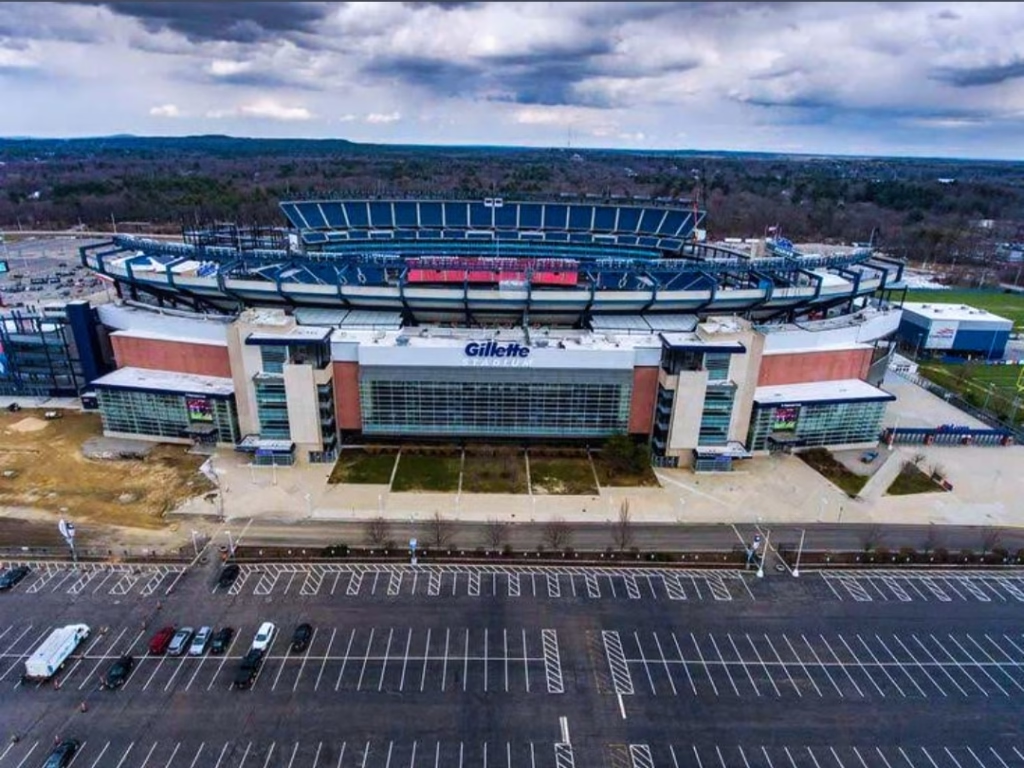
As a result, venues are being renamed using neutral, location-based titles. For example:
– AT&T Stadium becomes Dallas Stadium
– Gillette Stadium becomes Boston Stadium
– Lumen Field becomes Seattle Stadium
– MetLife Stadium becomes New York New Jersey Stadium
This temporary transformation ensures a clean commercial environment that aligns with FIFA’s global branding strategy.
An interesting exception is Mercedes-Benz Stadium in Atlanta, where the roof logo remains due to structural constraints, although other branding has been covered.
Spotlight: Boston Stadium (Gillette Stadium)
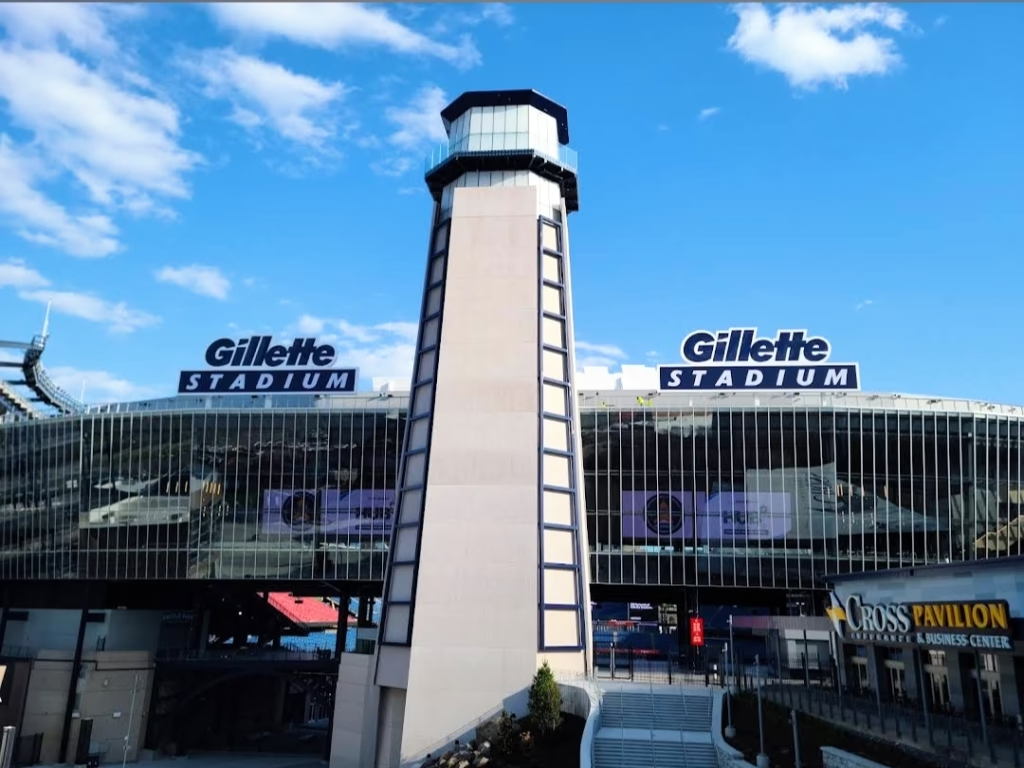
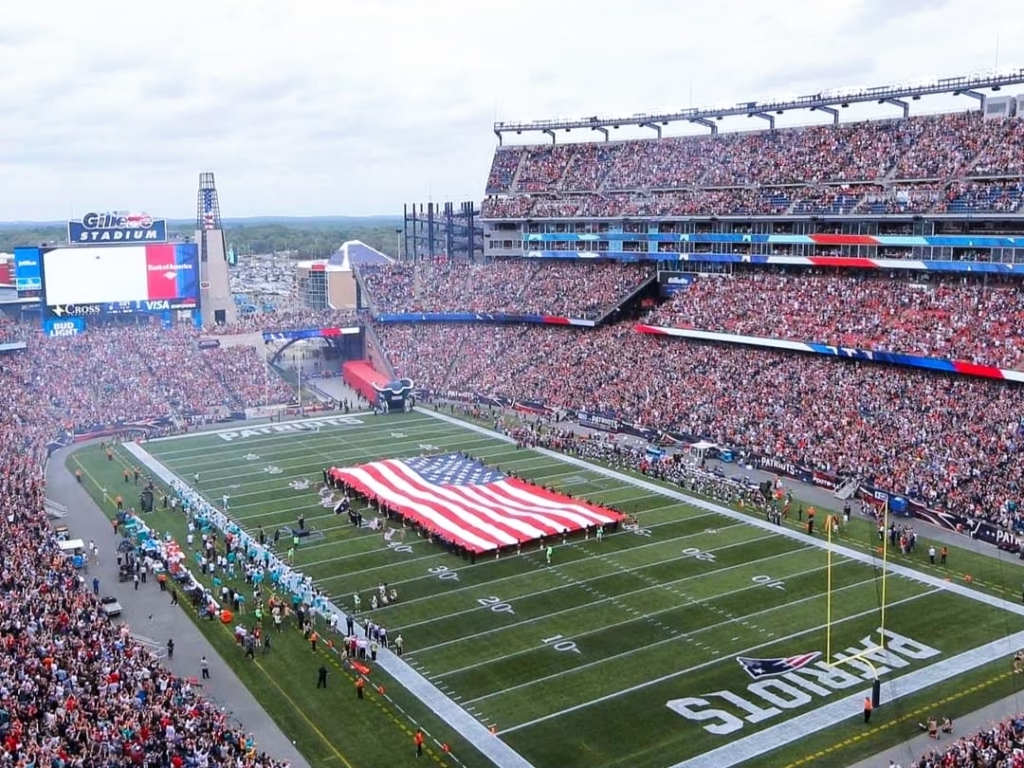
Located about 30 miles from Boston in Foxborough, Boston Stadium will play a key role during the World Cup. Known for hosting the New England Patriots, the venue combines modern infrastructure with unique architectural features.
Highlights include:
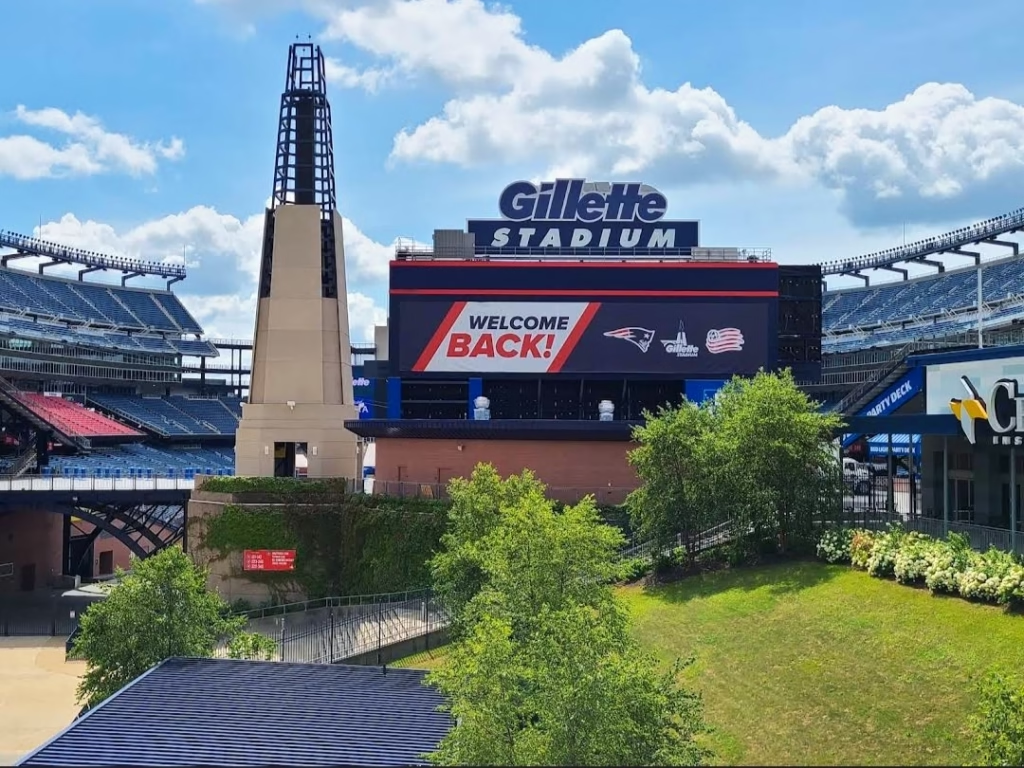
– A 22-story lighthouse with a 360-degree observation deck
– One of the largest curved video boards in sports venues
– Enhanced fan zones, premium seating, and upgraded amenities
Capacity varies depending on the event:
– NFL games: 64,628 seats
– FIFA World Cup: Approximately 63,815–65,000 seats
– Concerts: Up to 70,000 attendees
Boston Stadium Match Schedule
Fans can expect an exciting lineup of matches, including:
– June 13, 2026: Haiti vs. Scotland
– June 16, 2026: Iraq vs. Norway
– June 23, 2026: England vs. Ghana
– July 9, 2026: Quarter-Final match
This makes Boston Stadium one of the key venues to watch during the tournament.
How to Get to Boston Stadium
Transportation planning is critical, especially on matchdays when traffic congestion is expected.
Train Services
– Direct service from South Station to Foxboro Station
– Travel time: Approximately 60 minutes
– Cost: $$80$$ USD round trip
– Must be booked in advance via the MBTA mTicket app
– Available only for match ticket holders
Express Bus
– Official World Cup shuttle service
– Cost: $$95$$ USD round trip
– Starts 3 to 4.5 hours before kickoff
– Drops passengers within a 10-minute walk of the stadium
Driving and Parking
– Parking must be pre-booked
– Roads can be congested up to 4 hours before and after matches
– Access primarily via MA Route 1
– No private drop-offs allowed near the stadium
Rideshare Options
– Dedicated pickup and drop-off zones available
– Expect high demand after matches
Accessibility and Fan Experience
Boston Stadium offers comprehensive accessibility services:
– ADA-compliant train platforms and transportation
– Accessible parking close to entrances
– Wheelchair-friendly buses and taxis
– Support for mobility, sensory, and cognitive needs
Fans are encouraged to plan ahead and confirm all arrangements before matchday.
A Global Tournament, A Unified Identity
The temporary renaming of stadiums reflects FIFA’s commitment to a unified global brand. While fans may miss familiar stadium names, this transformation highlights the scale and commercial structure of the World Cup.
For visitors, it also serves as a reminder: when attending matches, always refer to the FIFA-designated stadium names to avoid confusion.
ALSO READ : Visiting Mercedes-Benz Stadium Atlanta: Tickets, Parking, and Insider Tips