September is one of India’s most underrated travel months. As the monsoon retreats, the landscape stays lush and green, temperatures start to cool, skies clear up, and a busy calendar of festivals kicks in. It’s the season of short-lived wildflower blooms in the Western Ghats, harvest celebrations, high-altitude Himalayan treks, and cultural gatherings that pull travelers in from across the country.
Whether you’re chasing nature, adventure, or heritage, here are the best places to visit in India in September — and what makes each one worth the trip right now.
Quick Overview: Best Places to Visit in India in September
| Destination | State | Best For |
|---|---|---|
| Kaas Plateau | Maharashtra | Wildflowers, UNESCO nature site |
| Ziro Valley | Arunachal Pradesh | Music festival, culture |
| Markha Valley | Ladakh | High-altitude trekking |
| Dooars | West Bengal | Wildlife, tea gardens |
| Hampi | Karnataka | Heritage, UNESCO ruins |
| Kutch | Gujarat | Artisan villages, quiet landscapes |
| Sarnath | Uttar Pradesh | Buddhist heritage, UNESCO site |
1. Kaas Plateau, Maharashtra — For Wildflower Season
For a few fleeting weeks every September, the Kaas Plateau turns into a carpet of wildflowers, making it one of India’s most spectacular seasonal landscapes. Located about 25 km from Satara, this UNESCO World Natural Heritage Site is home to more than 850 species of flowering plants, many endemic to the Western Ghats.
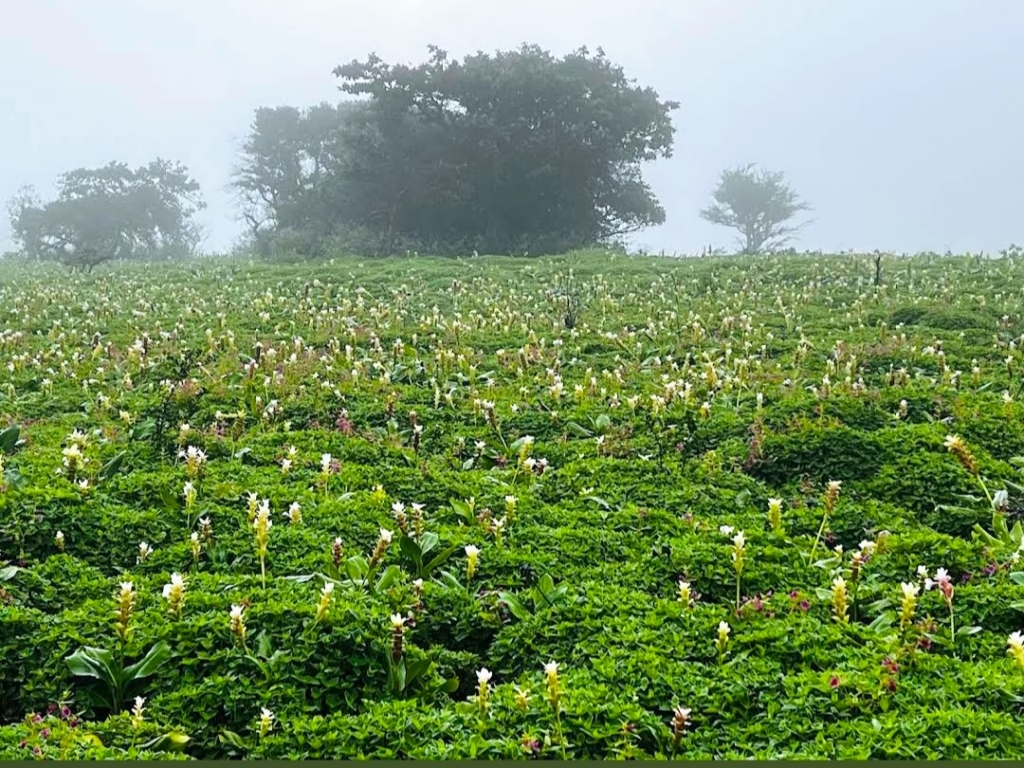
Highlights:
– Walking trails through orchids, balsams, bladderworts, and Smithia blooms
– Nearby detours to Thoseghar Falls and Sajjangad Fort
– Visitor numbers are regulated during peak bloom, so book ahead
2. Ziro Valley, Arunachal Pradesh — For Music and Culture
September is when Ziro Valley is at its liveliest. The emerald paddy fields of the Apatani plateau become the backdrop for the annual Ziro Music Festival, one of India’s best-known independent music festivals, drawing artists from across the country and abroad.
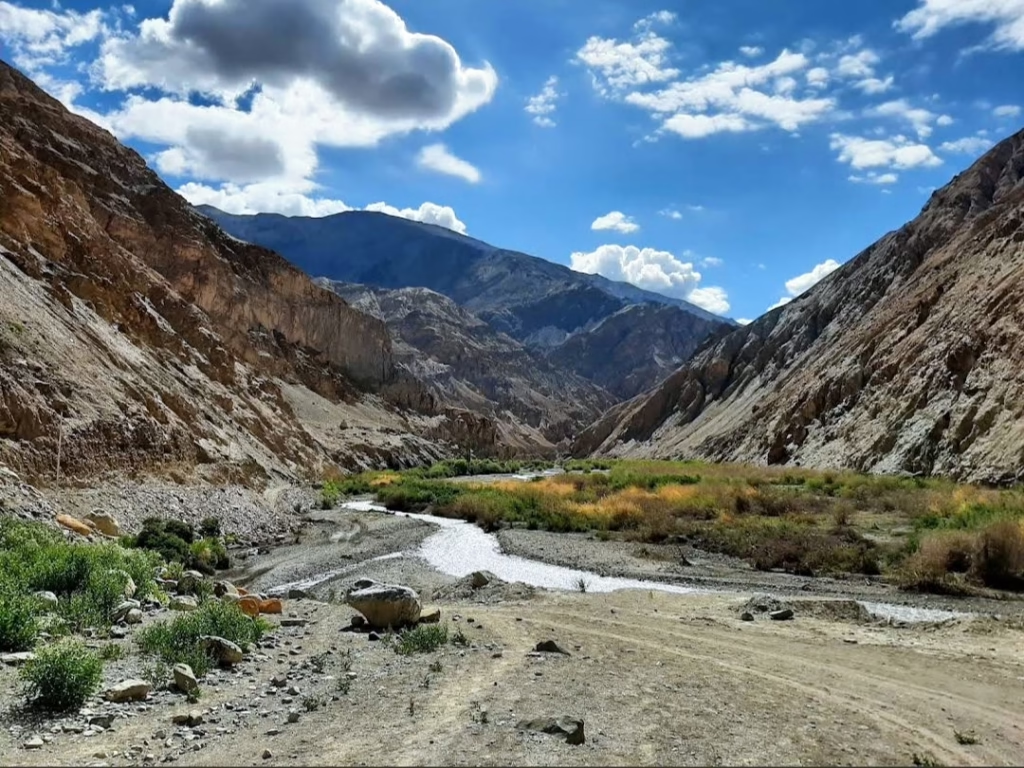
Highlights:
– Live performances set against rice-field landscapes
– Apatani villages and their centuries-old sustainable farming practices
– Walking and cycling trails through pine forests before harvest season
3. Markha Valley, Ladakh — For High-Altitude Trekking
With clear skies, comfortable daytime temperatures, and stable trail conditions, September is widely regarded as one of the best months to trek the Markha Valley. The multi-day route winds through remote villages, centuries-old monasteries, and high mountain passes — including Kongmaru La at over 5,200m — with sweeping views of the Zanskar and Karakoram ranges.
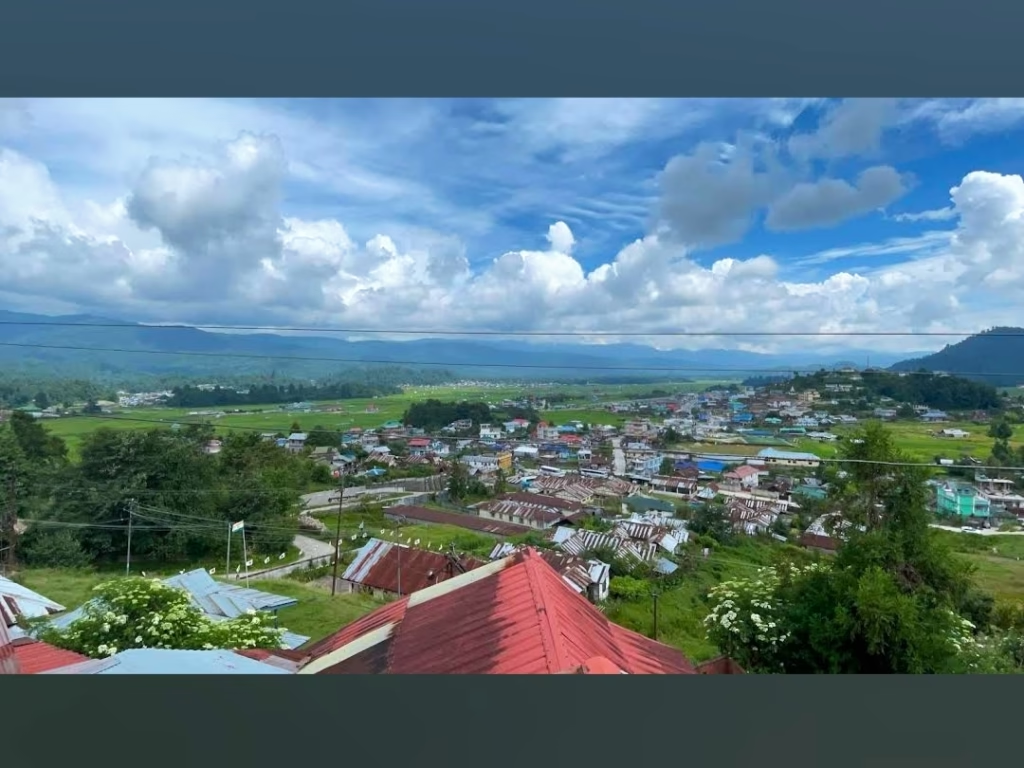
Highlights:
– Grazing yaks and prayer-flag-lined trails
– Traditional Ladakhi settlements before winter prep begins
– Some of the most reliable weather windows of the year
4. Dooars, West Bengal — For Wildlife and Tea Gardens
As the monsoon eases, the forests and tea gardens of the Dooars are at their greenest. This gateway to the eastern Himalayas comes alive with full rivers, refreshed tea estates, and forests gradually reopening to visitors.
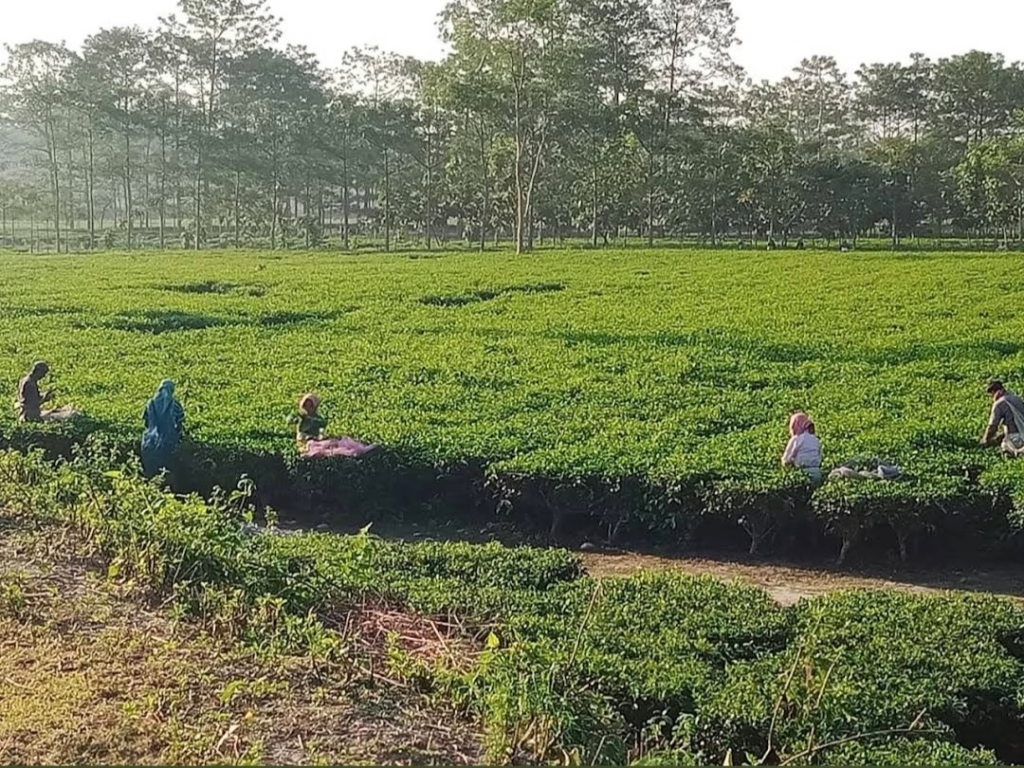
Highlights:
– Base near Gorumara or Jaldapara National Park to spot rhinos, elephants, and gaur
– Scenic drives through sprawling tea plantations
– Riverside villages worth a slow exploration
5. Hampi, Karnataka — For Heritage and Ruins
September brings a welcome change to Hampi’s dramatic boulder-strewn landscape. The rains leave the Tungabhadra River full and surrounding paddy fields vividly green, while cooler temperatures make exploring the UNESCO-listed ruins far more comfortable than in summer.
Highlights:
– Vijayanagara Empire temples and bazaars
– Cycling between monuments and climbing Matanga Hill for sunrise
– Coracle rides along the river before peak season crowds arrive
6. Kutch, Gujarat — For a Quieter Escape
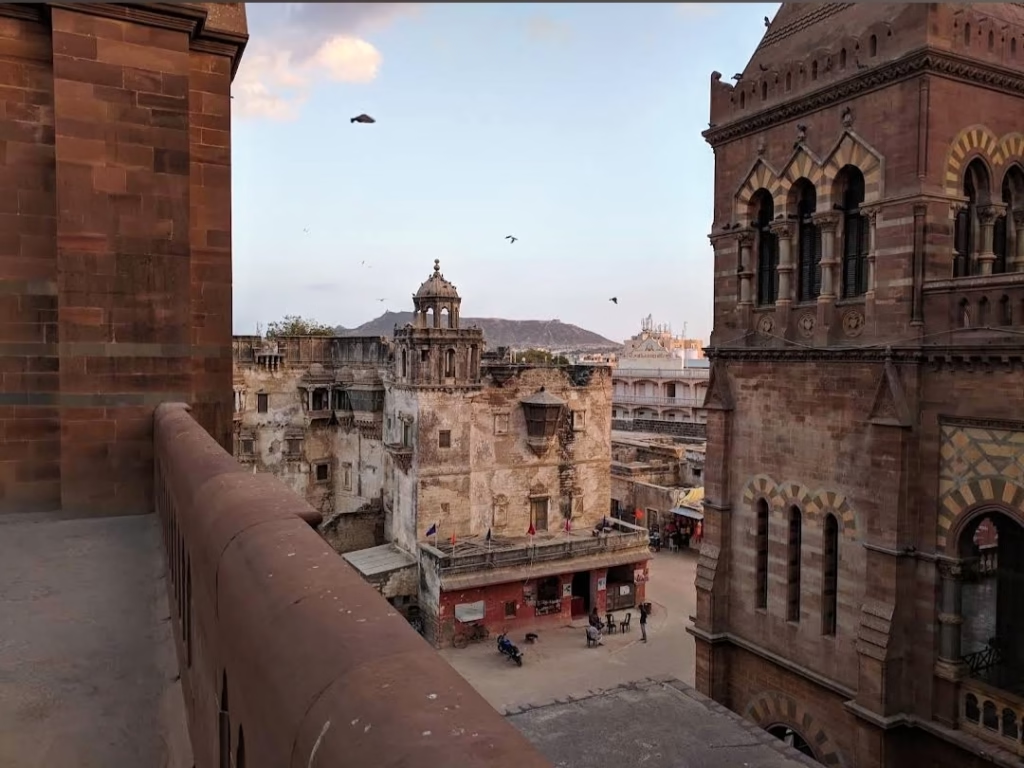
September offers a quieter side of Kutch before the crowds arrive for the Rann Utsav. The monsoon briefly turns the region’s arid landscapes green, wetlands start attracting the season’s first migratory birds, and artisan villages like Bhujodi, Ajrakhpur, and Nirona come back to life after the rains.
Highlights:
– Fewer visitors and more pleasant weather
– Craft villages and artisan workshops
– Grassland and salt marsh landscapes rarely seen this green
7. Sarnath, Uttar Pradesh — For Buddhist Heritage
Fresh from its inscription as India’s newest UNESCO World Heritage Site, Sarnath is likely to draw renewed attention in the months ahead. Located just outside Varanasi, this is where the Buddha is believed to have delivered his first sermon after attaining enlightenment.
Highlights:
– Dhamek Stupa, Ashoka Pillar site, and Mulagandha Kuti Vihara
– The Archaeological Museum
– Cooler, post-monsoon weather and rain-refreshed gardens
Frequently Asked Questions
Is September a good time to visit India?
Yes. As the monsoon retreats, most regions offer cooler temperatures, greener landscapes, and clearer skies than the peak monsoon months, making it a good transitional season for both nature and heritage travel.
Where can I see wildflowers in India in September?
The Kaas Plateau in Maharashtra is the standout destination, with over 850 species of flowering plants blooming for a short seasonal window.
Is September good for trekking in Ladakh?
Yes — the Markha Valley trek is considered one of the best in September thanks to stable trail conditions, clear skies, and comfortable daytime temperatures before winter sets in.
Final Thoughts
From wildflower-covered plateaus to high Himalayan passes and heritage sites steeped in history, September proves that the shoulder season between monsoon and winter might be India’s most rewarding time to travel. Pick your pace — festival energy, wildlife, trekking, or heritage — and this month has a destination to match.
Also Read : Top 7 Destinations in India to Explore in July During Monsoon