Some rivers make themselves heard from miles away. Kunthipuzha, in Kerala, India, is different. Known as the Silent River of India, it flows quietly through the untouched rainforest of Silent Valley National Park, creating one of the most serene natural landscapes in the country.
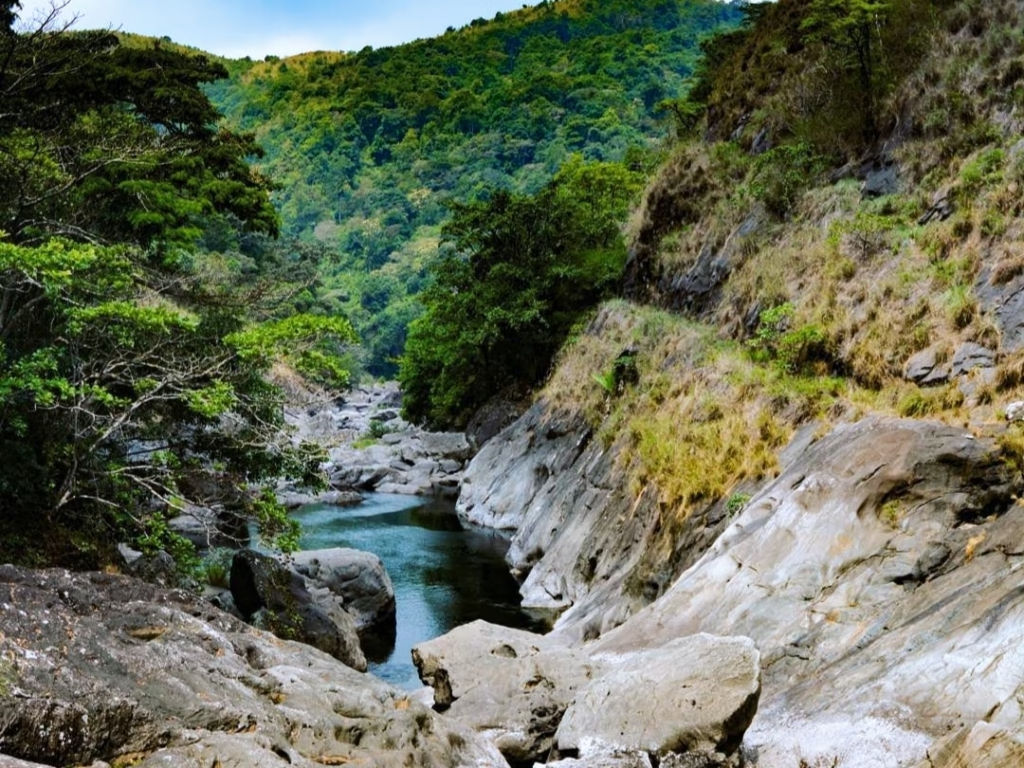
For travelers seeking calm, wilderness, and a deeper connection with nature, Kunthipuzha offers something rare: a river experience shaped by silence, biodiversity, and conservation history. Instead of noisy crowds or commercial attractions, this river leads you into one of India’s last great evergreen forests.
Which River Is Known as the Silent River of India?
The river most commonly called the Silent River of India is Kunthipuzha. It is also sometimes spelled Kunthippuzha.
Kunthipuzha is a major river in Kerala and flows through the heart of Silent Valley National Park. It is closely connected to the Bharathapuzha river system and is known for its clean water, shallow course, and the peaceful forest surroundings that give it its famous identity.
The name also carries cultural meaning. Some local traditions link the river to Kunthi, the mother of the Pandavas from the Mahabharata, while others connect it to regional plant life. This blend of mythology and ecology makes Kunthipuzha especially fascinating for both nature lovers and cultural travelers.
Why Kunthipuzha Is So Special
Kunthipuzha stands out because it flows through one of the most pristine ecosystems in India. Silent Valley National Park is home to rare wildlife, dense tropical evergreen forest, and a landscape that has remained largely untouched by large-scale development.
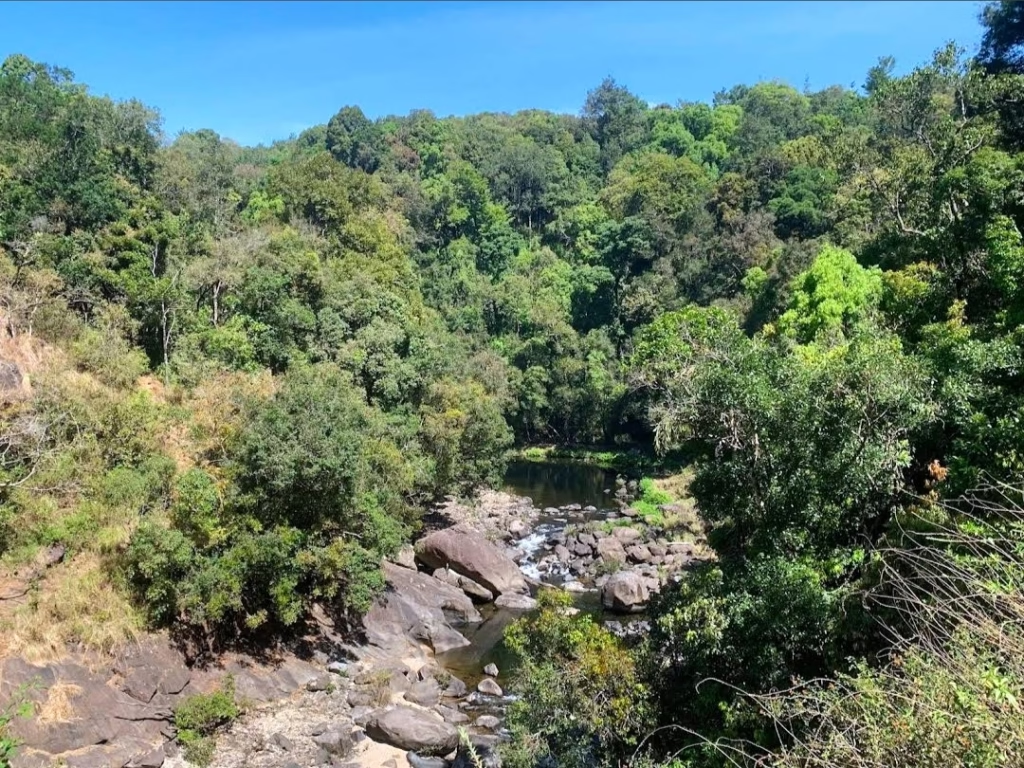
The river itself is calm, clear, and shallow in many sections. Rather than dramatic waterfalls or heavy rapids, it moves gently through the forest, reflecting the green canopy above. This quiet flow is one reason it has earned the name “silent.”
Kunthipuzha is also an important environmental symbol. The river became central to the Save Silent Valley movement, one of India’s most important conservation campaigns. A proposed hydroelectric dam in the 1970s threatened the valley, but public resistance helped protect the forest and eventually led to the creation of Silent Valley National Park in 1984.
Silent Valley National Park and Kunthipuzha
Silent Valley National Park is located in the Palakkad district of Kerala, in the Western Ghats. It is known for its rich biodiversity and is considered one of the last major stretches of undisturbed tropical evergreen forest in the region.
Kunthipuzha flows through this protected landscape and supports the forest ecosystem. The river also helps sustain the flora and fauna of the valley, including endemic species, birds, butterflies, and mammals such as lion-tailed macaques, Nilgiri langurs, elephants, and leopards.
For many visitors, the highlight is not just the scenery but the feeling of stepping into a truly alive forest. The sound of birds, insects, rustling leaves, and flowing water creates a natural soundtrack that feels far removed from modern city life.
How to Visit Silent Valley and Kunthipuzha
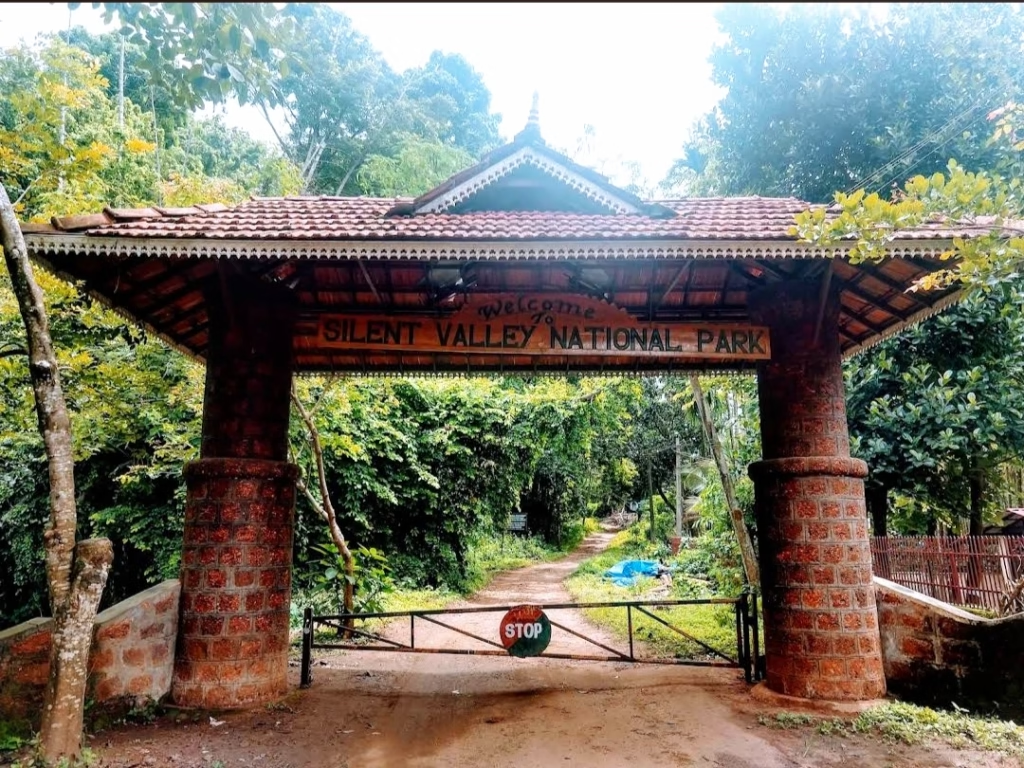
The main gateway to Silent Valley National Park is Mukkali, a small settlement that serves as the starting point for park entry. From there, visitors usually travel by official forest department jeep with a guide.
A typical visit includes:
– A jeep ride from Mukkali to the visitor area.
– A stop at Sairandhri, the main viewpoint and interpretation center.
– A walk to the watchtower for wide views of the valley and the river below.
– In some cases, a guided walk to a designated river access point.
Because access is regulated, it is best to plan ahead, especially during holidays and peak travel periods. This controlled tourism helps protect the fragile ecosystem and keeps the area peaceful.
Best Time to Visit Kunthipuzha
The best time to visit is usually October to March, when the weather is cooler and more comfortable for travel. During this period, the forest is lush, visibility is better, and walking conditions are easier.
The monsoon season from June to September brings dramatic greenery and high water levels, but it also comes with heavy rain, slippery paths, and occasional restrictions. April and May can be hot, but they still offer beautiful forest views for travelers who do not mind warmer weather.
Responsible Travel Tips
Kunthipuzha is not just a tourist attraction; it is part of a fragile ecosystem. Visitors should travel responsibly to help preserve its natural silence and purity.
Keep these basics in mind:
– Do not litter.
– Avoid loud music and unnecessary noise.
– Stay on designated paths and follow forest rules.
– Do not wash items or bathe in the river.
– Respect wildlife and maintain a safe distance.
Traveling responsibly ensures that Kunthipuzha remains pristine for future generations and continues to support the forest and downstream communities.
Final Thoughts
Kunthipuzha is more than a river. It is a symbol of conservation, a thread through one of India’s rarest forests, and a destination for travelers who value peace over spectacle. If you want to experience Kerala beyond the usual tourist trail, Silent Valley National Park and its silent river offer a journey that feels timeless.
In a world full of noise, Kunthipuzha reminds us that some of the most powerful places are the quietest.
Also read : Chembra Peak, Wayanad: Complete Trekking Guide to Kerala’s Highest Peak